.svg)


A dementia diagnosis changes everything. And then, for many families, comes a strange kind of silence. The appointment ends, you drive home, and nobody has told you what to actually do next.
The NHS will arrange follow-up appointments. Charities will send leaflets. But the practical question of what needs to happen in the next four weeks, and in what order, often goes unanswered. This guide is an attempt to fill that gap. It is written from the experience of what families wish they had known sooner, not from a checklist produced at a distance.
The most important thing to understand first
A dementia diagnosis does not mean the person diagnosed has lost the ability to make decisions. In the early stages, most people retain full mental capacity. They can still express preferences, sign legal documents, make financial decisions, and participate meaningfully in planning their future.
This window matters enormously. Some of what needs to happen in the coming weeks can only happen while mental capacity is intact. Once capacity is lost, the legal routes available to families become significantly more complicated, more expensive, and more time-consuming.
Week one: absorb before acting
There is a strong instinct after a diagnosis to research everything immediately. Resist it, or at least pace it. The first week is best spent in a small number of focused conversations rather than hours of anxious reading.
Talk to the person who has been diagnosed. Ask them, clearly and calmly, what they want. What matters most to them about how they live? Where do they want to be cared for if they need more help? Who do they trust to make decisions on their behalf if they cannot? These conversations are not morbid. They are the foundation of everything that follows.
Talk to your GP. The diagnosis may have come from a memory clinic or a hospital specialist, but your GP coordinates day-to-day care. Ask them:
- What support is available locally
- What medication has been prescribed or is being considered
- What the follow-up plan looks like
- Whether you can access an Admiral Nurse in your area
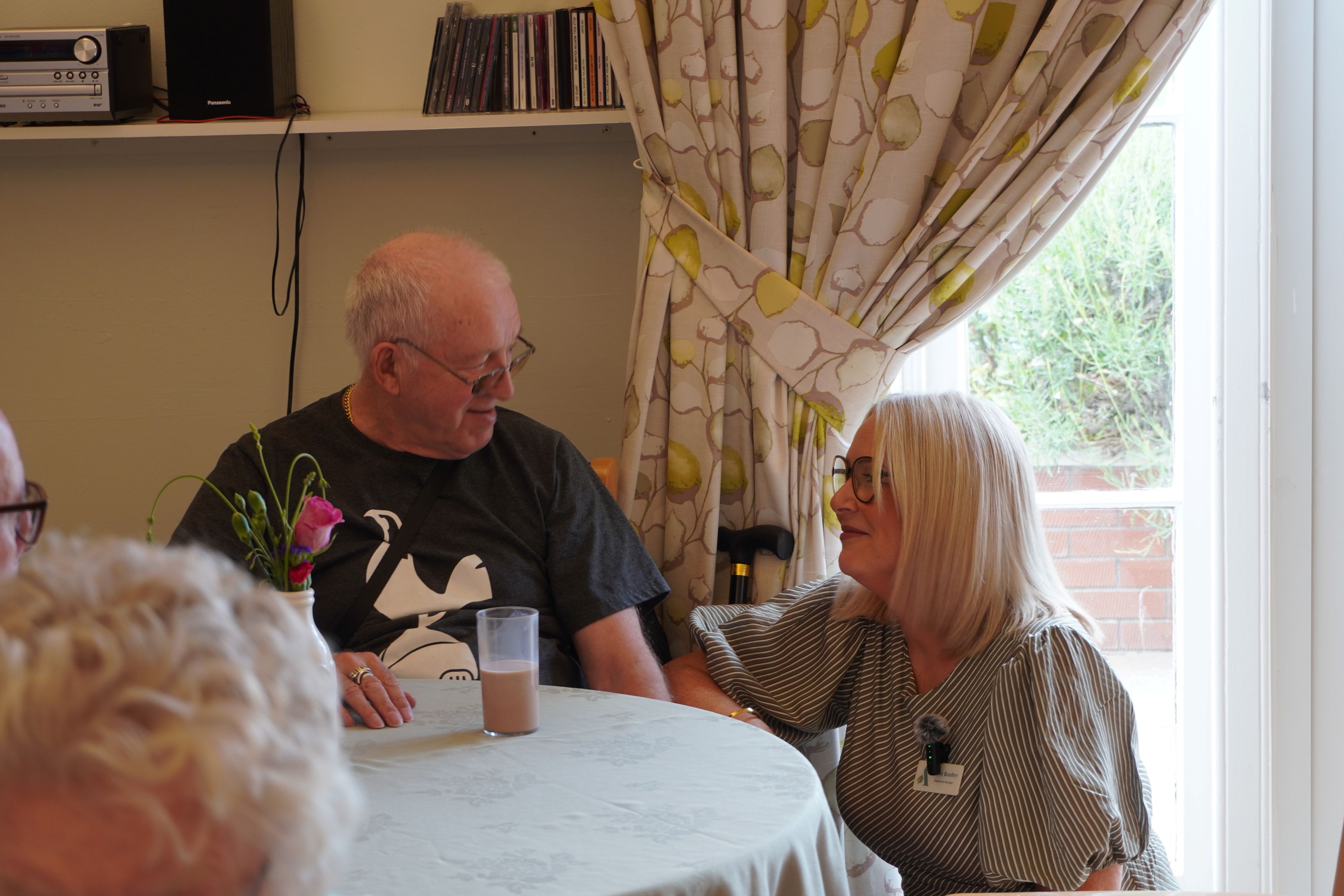
Admiral Nurses are specialist dementia nurses who provide exactly the kind of practical, emotional guidance that feels missing in the early weeks. Not every area has them, but it is always worth asking.
"One of the things families tell us most often is that they wished someone had just sat down with them in those first few weeks and told them what order to do things in. The diagnosis itself is only the beginning of the conversation."
- Ashberry Care Homes
Sorting out lasting power of attorney, and why it cannot wait
If there is one thing experienced care professionals will tell you families most frequently leave too late, it is lasting power of attorney.
A Lasting Power of Attorney (LPA) is a legal document that allows a named person to make decisions on behalf of someone else if they lose the mental capacity to do so themselves. There are two types:
- Property and Financial Affairs LPA covers bank accounts, property, bills, and investments. It can be used as soon as it is registered, unless the donor specifies otherwise.
- Health and Welfare LPA covers medical treatment, care arrangements, and day-to-day decisions about wellbeing. It can only be used once the person has lost mental capacity.
Both should be set up as soon as possible after diagnosis. A dementia diagnosis does not remove mental capacity automatically, and many people in the early stages retain full capacity for years. But the window is uncertain.
If capacity is lost before an LPA is in place, the only alternative is applying to the Court of Protection for a Deputyship Order. That process takes a minimum of four to six months, costs significantly more, and gives the family far less flexibility.
Once an LPA is signed, it must be registered with the Office of the Public Guardian before it can be used. Registration currently takes between eight and twenty weeks. Our article on how power of attorney connects to care home fees explains why getting this in place early also protects the family when funding decisions arise later.
Getting the finances in order
Once LPA is in motion, compile a clear record of all income and assets:
- State Pension and any private or workplace pensions
- Savings accounts and ISAs
- Stocks, shares, or investments
- Rental income from any property
- The value of any property owned
This information will be needed if the person with dementia ever requires a financial assessment for care. Having it organised now saves significant stress later.
Check whether any benefits are being missed. Many people with dementia and their carers are entitled to support they are not claiming:
- Attendance Allowance is available to people over 65 who need help with personal care or supervision. It is not means-tested.
- Carer's Allowance may be available to a family member providing more than 35 hours of care per week.
- Council Tax Reduction may apply where the person with dementia is the sole or main occupant of a property.
Our article on benefits available to self-funders and their families covers what can be claimed and how to apply.
Requesting a care needs assessment
Anyone who may need care support is entitled to a free care needs assessment from their local authority under the Care Act 2014. This focuses entirely on what support is needed, not on who pays for it.
Requesting one early is worthwhile even if no care is needed right now. It creates a formal record, opens access to local authority services, and means the process is already under way if needs increase quickly. The person with dementia can self-refer, or a family member or GP can refer on their behalf by contacting the local council's adult social services team.
Who needs to be told, and when
The person with dementia should lead decisions about disclosure wherever possible. There is no single right approach, and their wishes should be respected.
There are two notifications that should not be delayed. The DVLA must be informed of a dementia diagnosis. The person with dementia has a legal duty to do this, though a family member can help. The DVLA will assess whether they can continue to drive safely. This is not an automatic ban, but failure to notify is an offence, and existing insurance cover may be invalidated if an accident occurs.
Banks and financial institutions do not need to be notified immediately, but once LPA registration is complete the relevant accounts will need to be updated before the attorney can act.
The conversation about future care
At some point in these early weeks the question of future care will arise. The honest answer is that it is impossible to know at diagnosis how quickly dementia will progress. Our article on how quickly dementia progresses explains what the evidence shows across different types.
What is possible, while the person with dementia still has capacity and voice, is to understand what they would want:
- Do they want to stay at home for as long as possible?
- Are they open to moving into a care setting if the right one could be found?
- Do they have strong feelings about particular places, routines, or people?
These preferences cannot always be honoured in full as the condition progresses. But knowing them means care decisions can be made with the person in mind rather than around them. Our guide on when someone with dementia should move into a care home approaches that question without pushing towards any particular answer.
Looking after the person doing the caring
Family members who take on caring responsibilities after a dementia diagnosis are at significantly higher risk of anxiety, depression, and physical illness than the general population. Carers are entitled to their own needs assessment from the local authority, entirely separate from the assessment of the person with dementia.
Connecting with others who understand is also genuinely useful:
- Dementia UK's helpline is staffed by Admiral Nurses and is free to call
- Alzheimer's Society has local support groups across the UK
- Carers UK provides advice and advocacy for anyone in a caring role
"We see a lot of families who have been quietly managing for months before they reach out to us. The ones who do well are usually the ones who found their people early, whether that is a support group, an Admiral Nurse, or simply someone who had been through it before."
- Ashberry Care Homes
A note on guilt
Many families describe feeling guilty in the weeks after a diagnosis: guilty for grieving, guilty for feeling relief that there is finally a name for what they have been witnessing, guilty for thinking about the future, guilty for not being more present in the past.
None of this guilt is useful and none of it is earned. Dementia is a disease. Planning for it is not abandonment. Grieving it is not selfishness. Asking hard questions early is not giving up.
If you are struggling with those feelings, our article on coping with guilt when a loved one moves into care is written for exactly that moment.
What Ashberry can offer
If you are beginning to understand what specialist dementia care might look like, our team is here without pressure. You can read about our approach to dementia care and the different ways dementia care can be structured. Our guide to moving into a dementia care home is written for families who are thinking ahead, not yet decided.
If you would like to talk to someone at Ashberry, make an enquiry and we will be in touch at your pace.
%20(1).png)