.svg)





When Should Someone with Dementia Move into a Care Home?
Dementia progresses differently for everyone. The care that works today may not work in six months. Recognising when a care home becomes necessary protects both your relative and yourself.
Signs It's Time to Consider a Care Home
They need 24-hour supervision Round-the-clock care at home becomes unsustainable. If you're constantly worried about their safety when you're not there, residential care may be the answer.
Falls and wandering are frequent Physical safety becomes the priority when someone regularly falls or leaves the house confused and disoriented.
You can no longer cope Carer burnout isn't failure, it's a sign their needs have outgrown what one person can provide. Your wellbeing matters too.
They need nursing care Advanced dementia often requires medical expertise—managing medications, monitoring health conditions, and responding to emergencies.
Personal care is overwhelming Bathing, toileting, and dressing require physical strength and emotional resilience. When these tasks become too much, professional support helps maintain dignity.
Behaviour has become unmanageable Severe confusion, aggression, or memory loss can be distressing for everyone. Specialist staff are trained to manage these symptoms with understanding.
Get a Care Needs Assessment
Your local authority provides free care needs assessments. This determines what support is required and whether residential care is appropriate. The assessment considers all options—from day care to specialist dementia facilities.
Organisations like Dementia UK can provide additional guidance on the choice of care available and help you understand when professional care in a care facility becomes necessary.
Finding a Care Home: Choosing the Right Care for Your Loved One
When the time comes to move someone with dementia into residential care, finding a care home that specialises in dementia is crucial. The care home for a person with dementia should offer:
- Specialist dementia care from trained staff who understand the condition
- Memory care programmes tailored to individual residents
- The level of care they need, whether that's residential care or full nursing home support
- A comprehensive care plan developed following a thorough care needs assessment
- Experience caring for people with dementia at various stages of the condition
When looking at care homes, visit several facilities to compare the care and support offered. Ask about their experience with dementia patients, their approach to personal care, and whether they can provide care as the dementia progresses. Some care homes may specialise in dementia care, while others offer more general residential care home services.
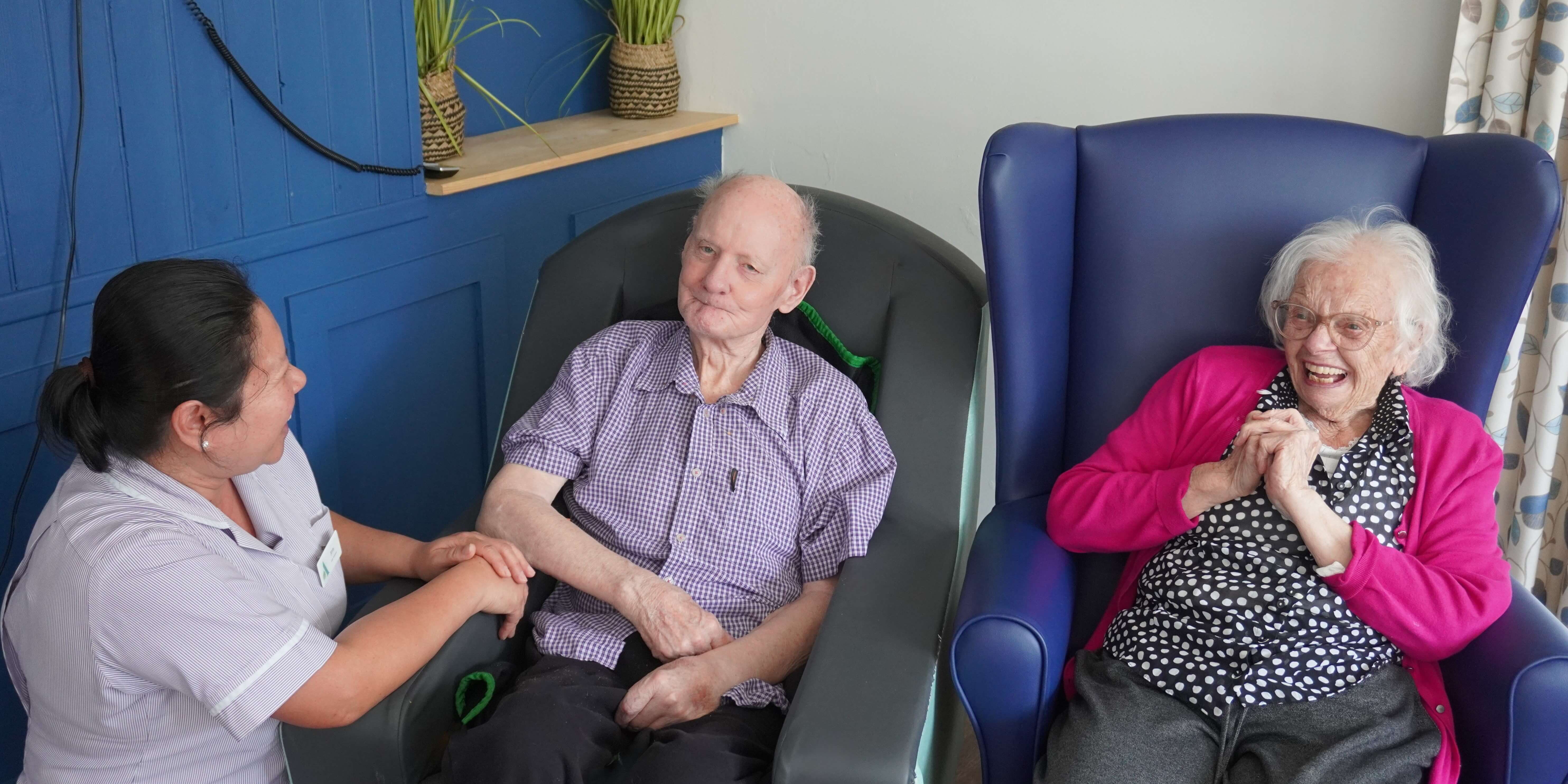
At Ashberry Care Homes, our specialist dementia care teams understand that each dementia patient requires individualised attention. We recognise that caring for someone with dementia means adapting our approach as their support needs evolve.
How to Prepare for the Move to a Care Home
After making the difficult decision that it is time for your loved one to move into a care home, you must be open and honest with your loved one as much as you can. If you hold back too much information it can sometimes come as an unwelcome surprise, and a sudden and unexpected change can be upsetting for everyone involved.
Before the move, many care homes will arrange to visit your relative with dementia at home to meet them and walk them through what they can expect. During the visit, they will likely invite them to visit the home so that they can take a look around and get used to the surroundings, staff and other residents. This introduction helps to build trust and familiarity, which should always be key considerations when someone with dementia moves into a care facility.
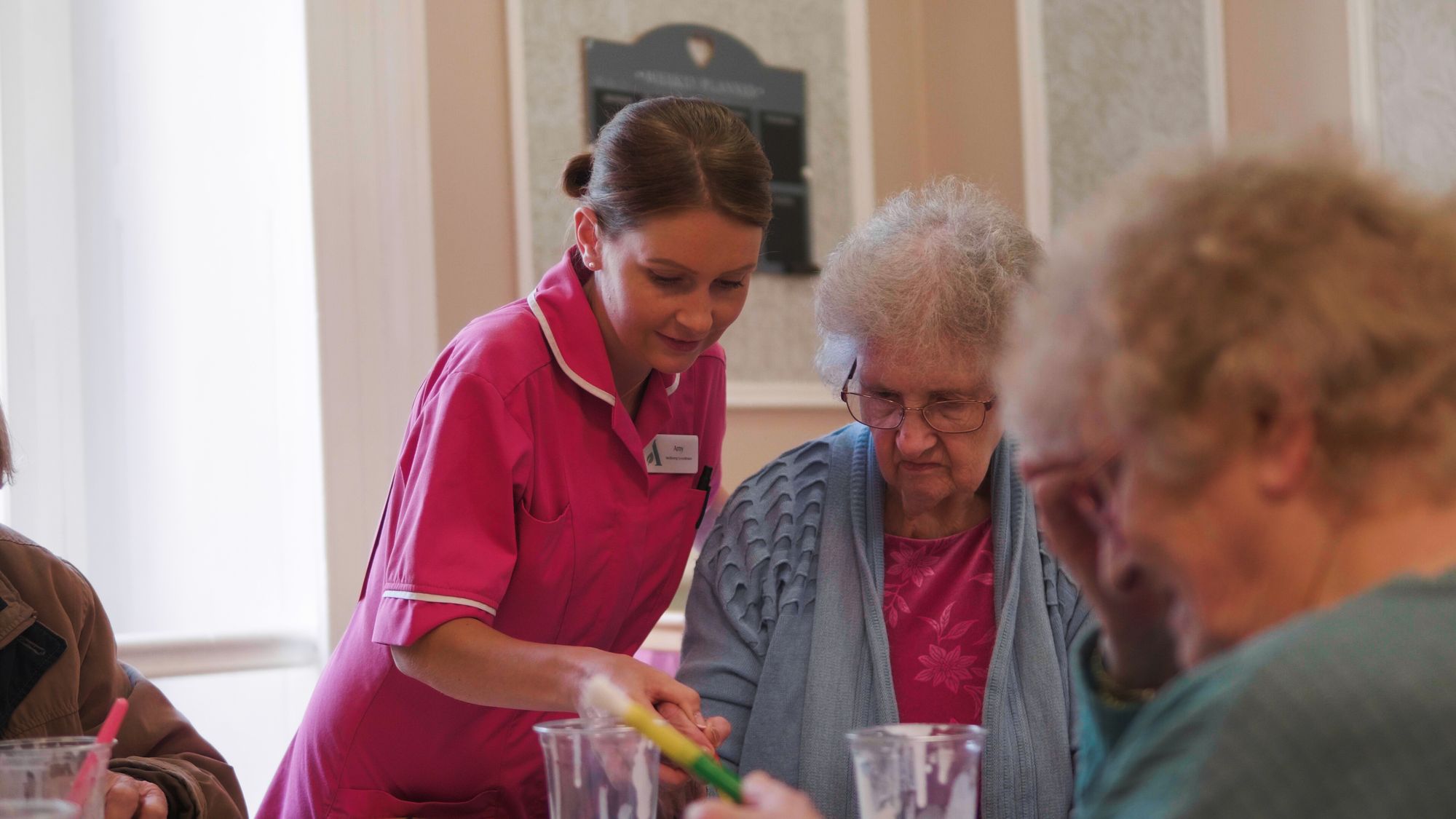
To further help with this, if the care home offers adult day care or a respite care service, these could be utilised so your loved one is already comfortable spending time at the home before they move in. This gradual transition can be particularly helpful for people with dementia, allowing them to become familiar with the environment whilst still being able to live at home.
What to Do on the Day Someone with Dementia Moves into a Care Home
When the day of the move arrives, there will likely be a lot of high emotions, both from your loved one and yourself. Moving a loved one into a care home is a big moment in your lives, but one you are doing for all the right reasons, no matter how hard it might be.
You know your loved one better than anyone, so try to pre-empt anything that may cause anxiety, upset or conflict before it happens. At the same time, it is important to be honest about what is happening but do so with a soft and understanding approach. Understanding the symptoms of dementia your loved one experiences can help you prepare for potential challenges on moving day.
Familiarity remains key when caring for someone with dementia, so do what you can to keep things consistent. Ask staff who have met your loved one to be there to greet them, and encourage them to speak to existing residents they may have already met during previous visits. During this time, make their room as welcoming as possible by using some of their own furniture, photographs and ornaments.

When dementia moves into a care home setting, the person's care team will work to make the transition as smooth as possible. They understand that moving someone from familiar surroundings requires sensitivity and patience.
When the time comes for you to leave, it may get difficult, but this will be easier if your loved one has received day care or respite care in the past. Leaving when they are engaged in an activity, talking with staff or eating can make it a less emotional time for everyone.
If you do have any concerns, care home staff will always be available to answer your questions about the best care approach for your relative.
How to Support People with Dementia Following the Move
Following the move, it can be a challenge knowing how to settle a person living with dementia into a care home when you are no longer around them all the time. Some may settle quickly, while it might take others a little longer. Each dementia patient is unique, and the time for someone with dementia to adjust will vary.
You may want to visit regularly to make sure your loved one is settling in, but visiting too soon can disrupt the process. Try to resist the urge to visit within the first week or two to give them plenty of time to adjust. As hard as it can be, if you visit too soon they may think you have come to take them away. This can make things difficult when the time comes for you to leave. This does all depend on your loved one, however, so speak to care home staff if you are not sure whether a care home visit is appropriate yet.

For your peace of mind, here at Ashberry Care Homes, we use Care Control systems, which allow you to view up-to-date information on the person's care your loved one receives. This will help you with the adjustment just as much as it helps your loved one receive fantastic care. This is particularly valuable when a dementia patient requires 24-hour care and you want reassurance that the care they need is being provided consistently.
How Long Does It Usually Take for Someone to Settle into Residential Care?
It can take 4 to 8 weeks for someone needs to adjust to a care home. This varies depending on the person. It's normal for new residents to feel down or act differently at first, but these feelings usually go away. When a dementia patient moves to a care home, this settling-in period may be influenced by which stages of dementia they're experiencing and how dementia symptoms affect their ability to adapt to change.
The care facility staff will monitor how well someone is settling and adjust the care plan accordingly. As dementia often affects each person differently, the team providing care will remain flexible in their approach.
Our Approach to Caring for Someone with Dementia
Our dedicated healthcare providers are experienced in providing dementia care, so we understand there isn't a one-size-fits-all approach to caring for those living with dementia. We listen to the care needs of our residents, ensuring personalised, one-on-one care is given so they retain their dignity and independence at all times.
Whether someone needs memory care support or require around-the-clock care for more advanced dementia, our specialist dementia teams are trained to provide care for a loved one at every stage. We understand that when someone with dementia should go into care, families need reassurance that professional care will honour their loved one's individuality.
Read about how we care for our residents living with dementia for more information about our approach to specialist dementia care.
Understanding Care Needs and Support Options
When considering whether to go into a care home, it's essential to understand the full range of care options available:
- Home care: Support provided in the person's own home, suitable for earlier stages
- Day care: Part-time care allowing people with dementia to live at home whilst receiving support
- Residential care home: Full-time accommodation with personal care
- Nursing home: Residential care with additional medical and nursing support
- Memory care units: Specialist facilities designed specifically for dementia patients
A comprehensive care needs assessment will help determine which option provides the best care for your loved one's current and future needs. This assessment examines what care is needed now and anticipates how requirements may change as dementia progresses.
The Role of the Carer in the Transition
Caring for someone with dementia is demanding, and recognising when you can no longer manage at home is not a failure - it's an acknowledgement that your loved one needs a different level of care. Many carers experience guilt when they time to consider a care home, but moving to a care home often means the person with dementia receives better care than one carer could provide alone.
Professional carers in specialist dementia facilities work in teams to provide the round-the-clock care that dementia may require, particularly in later stages. This means your loved one receives consistent, expert attention whilst you can return to being a family member rather than a full-time carer.
Funding Opportunities and Further Support for Dementia Care
We predominantly offer affordable but dedicated care for privately funded residents. However, if you have assets less than £23,250 (as of 2023) you may be eligible to receive additional support.
For more information, speak to your local adult social care and referral team or read our guide on dementia care fees.
Understanding what care options are financially available can help you make informed decisions about finding a care home that's both suitable and affordable.
Making the Decision: Is a Care Home the Right Choice?
Deciding whether a care home is the right option involves considering several factors:
- Can the person live at home safely with current support?
- Does the dementia diagnosis indicate progression towards needing 24-hour care?
- Are dementia symptoms becoming unmanageable in a home environment?
- Can existing carers continue to provide care without compromising their own health?
- Would the person benefit from the social interaction and structured activities in a care facility?
There's no single answer to when the time for someone with dementia to move has arrived. However, if you're finding it increasingly difficult to provide care, or if safety concerns are mounting, it may be time to seriously consider a care home.
Many families find that once the decision is made and the right care home is found, they feel relief that their loved one is receiving the specialist dementia care they need in a safe, supportive environment.
Book a Visit to Our Specialist Dementia Care Homes
If your loved one would benefit from experienced dementia care, we have several specialist care homes across the UK. View our locations to find your nearest Ashberry Healthcare care home.
Our teams specialise in dementia care and understand the unique challenges at different stages of dementia. Whether you're just starting to look at care homes or are ready to arrange a move, we're here to support you through every step of the dementia journey.
Enquire Today About Dementia Care
If you and your loved one need support, our dementia care team is here to help. Drop us a message today for more information or to book a visit.
Learn More About Dementia Care
Our guide to the different approaches to dementia care
In this guide, we explain the different approaches to dementia care and discuss person-centred care and its benefits.
When should someone with dementia go into a care home?
We know when a loved one has dementia it is a difficult and emotional time. In this article, we explain when someone with dementia should go into a care home.
Do people living with dementia have to pay care home fees?
We understand that dementia can affect anyone and at any time. We uncover where the money comes from for people living with dementia.
Care Services at Ashberry Care Homes
Need Help Finding the Right Care Home?
At Ashberry Care Homes, we look after your loved ones with care focused on dignity, sensitivity and independence.
We understand the concerns that people have when choosing a care home either for themselves or for a loved one. In our care, residents and their families are at the heart of everything we do and are always treated with respect and consideration.
Whether you're caring for someone with dementia who needs specialist support, or you're exploring care options for the first time, our experienced teams are here to help you find the home is the right fit for your family.
Get in touch today to discuss your care needs.