.svg)


.png)
Tackling Loneliness in Later Life: Why Connection Matters More Than Ever
Loneliness among older people remains one of the most significant yet often overlooked challenges facing our ageing population. While loneliness can affect people of any age, older adults are particularly vulnerable due to life changes such as bereavement, retirement, declining health, reduced mobility, and living alone.
In recent years, researchers and healthcare professionals have increasingly recognised loneliness as a serious public health concern. It is no longer viewed simply as an emotional experience, but as an issue that can have a profound impact on both physical and mental wellbeing.
At Ashberry Healthcare, we understand the importance of meaningful relationships, community engagement and social connection. Through our care homes, day care services, events and activities, we are committed to helping older people maintain fulfilling, connected lives.
Understanding Loneliness in Later Life
Loneliness is a subjective feeling – it is not necessarily about being alone, but about lacking the meaningful social connections that make us feel valued, supported and part of a community.
According to Age UK, millions of older people across the UK experience loneliness, with many living alone and having limited social contact. While the statistics are concerning, the human impact is even greater. Behind every number is an individual who may be missing companionship, conversation, or the sense of belonging that many of us take for granted.
Recent research continues to highlight loneliness as a widespread issue. Studies have found that loneliness among older adults is often linked to changes in health, loss of loved ones, reduced independence and shrinking social networks.
The Impact on Physical and Mental Health
The effects of loneliness extend far beyond emotional wellbeing.
Research has consistently linked chronic loneliness and social isolation with a higher risk of:
- Depression and anxiety
- Heart disease and stroke
- Poor sleep quality
- Reduced physical activity
- Increased risk of frailty
- Cognitive decline and memory problems
More recent studies have also found that persistent loneliness is associated with poorer overall health outcomes and can contribute to the development of multiple long-term health conditions. Researchers have identified a strong relationship between loneliness, poor health and increasing care needs in later life.
Loneliness can create a cycle that is difficult to break. Individuals who feel isolated may become less likely to engage with their community, attend appointments or participate in activities, which can further impact both their physical and emotional health.
Why Do Older People Become Lonely?
There is no single cause of loneliness. Instead, it is often the result of several factors occurring at the same time.
Some of the most common causes include:
- The loss of a spouse, partner, family member or close friend
- Retirement and the loss of daily social interaction
- Reduced mobility or health conditions
- Sensory impairments such as hearing or sight loss
- Living alone
- Limited access to transport
- Reduced confidence in social situations
Research has also shown that access to transport and community facilities plays a significant role in helping older people stay connected. When it becomes difficult to travel independently or participate in local activities, social isolation can increase significantly.
Can Technology Help?
Technology is not a replacement for face-to-face interaction, but it can play an important role in helping older people stay connected.
Video calls, social media, online communities and messaging services can help older adults maintain contact with family and friends, particularly when distance or mobility challenges make regular visits difficult.
Recent studies suggest that older adults who use the internet regularly often report lower levels of loneliness than those who do not. Digital inclusion initiatives, alongside appropriate support and training, can help older people feel more confident using technology and accessing online opportunities for connection.
At Ashberry, we actively encourage residents to stay in touch with loved ones through a variety of communication methods, helping families remain connected regardless of distance.
Creating Meaningful Connections at Ashberry Healthcare
At Ashberry Healthcare, combating loneliness is about much more than providing care. It is about creating environments where people can thrive, build friendships and continue enjoying meaningful experiences.
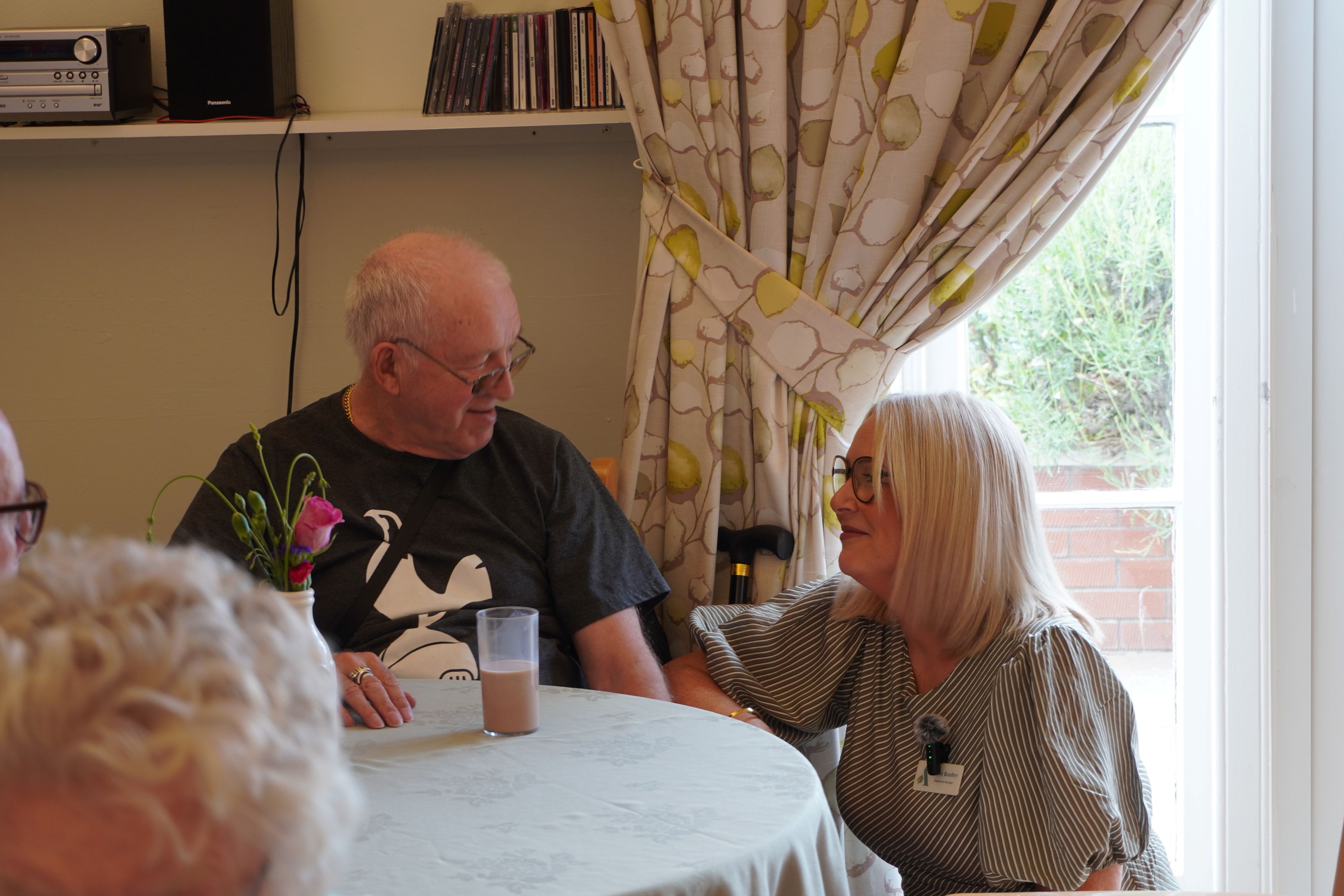
Across our homes, we offer a wide range of activities designed to encourage social interaction, purpose and enjoyment. From arts and crafts, gardening clubs and themed dining experiences to entertainment, exercise sessions and community visits, there are countless opportunities for residents to engage with others and pursue their interests.
Our Day Care Centres also play an important role in supporting older people within the wider community. These services provide companionship, stimulating activities and valuable respite for family carers, helping individuals maintain independence while reducing social isolation.
In addition, our homes regularly host community events, seasonal celebrations, coffee mornings, family gatherings and fundraising activities. These occasions bring together residents, relatives, local organisations and community members, helping to create meaningful relationships and a genuine sense of belonging.
Looking Ahead
Loneliness is one of the biggest challenges facing older people today, but it is not inevitable.
By fostering strong communities, encouraging social engagement, supporting digital inclusion and creating opportunities for meaningful connection, we can help ensure that older adults continue to lead fulfilling and enriched lives.
At Ashberry Healthcare, we believe that everyone deserves companionship, purpose and the opportunity to feel connected. Through compassionate care, vibrant communities and meaningful relationships, we are proud to play our part in tackling loneliness and helping older people live well every day.
Because sometimes, a conversation, a shared activity, or simply knowing that someone cares can make all the difference.
If you would like to find out more about how Ashberry Healthcare supports older people and helps reduce loneliness through our care homes and day care services, please get in touch with our team, we’d be happy to talk through how we can help.
Written by:


.webp)