.svg)


When we think about healthy ageing, we typically focus on diet, exercise, and medication. Yet research reveals that social connection rivals—and sometimes surpasses—these traditional pillars of health in its impact on longevity and wellbeing.
Comparing the Major Health Factors
Social Connection vs. Other Health Interventions:
Regular social engagement can reduce mortality risk by up to 50%—a protective effect comparable to quitting smoking and greater than many common health interventions. To put this in perspective:
- Social isolation increases mortality risk similarly to smoking 15 cigarettes daily
- Strong social ties show protective effects equivalent to or exceeding those of physical exercise programs
- Loneliness poses health risks comparable to obesity and excessive alcohol consumption
While healthy eating, exercise, and proper medication remain essential, social connection operates as a fundamental pillar of health that amplifies the benefits of these other factors.
The Physical Health Benefits of Socialising
Research demonstrates that regular social interaction produces measurable physical improvements:
Immune Function: Socially active older adults show stronger immune responses, reducing susceptibility to illness and infection—benefits similar to those achieved through balanced nutrition and adequate sleep.
Cardiovascular Health: Meaningful connections help regulate stress responses, lowering blood pressure. This effect can be as significant as some blood pressure medications for mild hypertension.
Reduced Inflammation: Chronic inflammation drives many age-related diseases. Social engagement reduces inflammatory markers in the body, complementing the anti-inflammatory effects of healthy diet and regular movement.
Sleep Quality: Regular social engagement helps regulate daily routines and supports healthier sleep patterns, which in turn affects everything from immune function to cognitive performance.
Cognitive and Mental Health Protection
The brain thrives on social stimulation, particularly in later years:
Delayed Cognitive Decline: Regular conversation and social activities provide mental stimulation that helps maintain cognitive function. Studies suggest this may delay dementia onset by several years—an effect that even specialised cognitive training programs struggle to match.
Depression Prevention: Social connections provide emotional support and purpose, significantly reducing depression risk. This protective effect often works alongside—and can sometimes reduce the need for—antidepressant medication.
Maintained Cognitive Sharpness: Social interaction requires complex mental processes: listening, responding, remembering details about others, interpreting social cues. This ongoing cognitive workout keeps the mind engaged in ways that complement traditional brain training exercises.
The Loneliness Crisis
Despite its importance, over 1.4 million older people in the UK experience significant loneliness (Age UK). This often stems from:
- Loss of partners and friends
- Retirement and loss of workplace connections
- Reduced mobility limiting social opportunities
- Family living at a distance
- Sensory changes (hearing loss, vision problems) making communication challenging
Unlike nutrition or exercise deficits—which can be addressed through supplements or physiotherapy—loneliness requires human connection, making care environments particularly valuable.
How Care Homes Address Social Needs
Care homes offer unique advantages for maintaining social health that parallel how they support other health needs:
Consistent Social Structure: Just as care homes provide regular, nutritious meals and support with medication schedules, they create natural daily opportunities for social interaction through communal dining, activities, and shared spaces.
Removed Barriers: Transportation concerns, mobility challenges, and household responsibilities that might limit socialising disappear. This is comparable to how care homes remove barriers to proper nutrition or medication adherence.
Professional Support: Just as nurses manage physical health needs and dietitians optimise nutrition, trained staff facilitate social connections, helping even reserved residents build relationships gradually.
Built-in Community: Residents have daily access to peers with similar life experiences, creating opportunities for connection that isolated individuals at home might struggle to find.
Creating Meaningful Connections at Ashberry
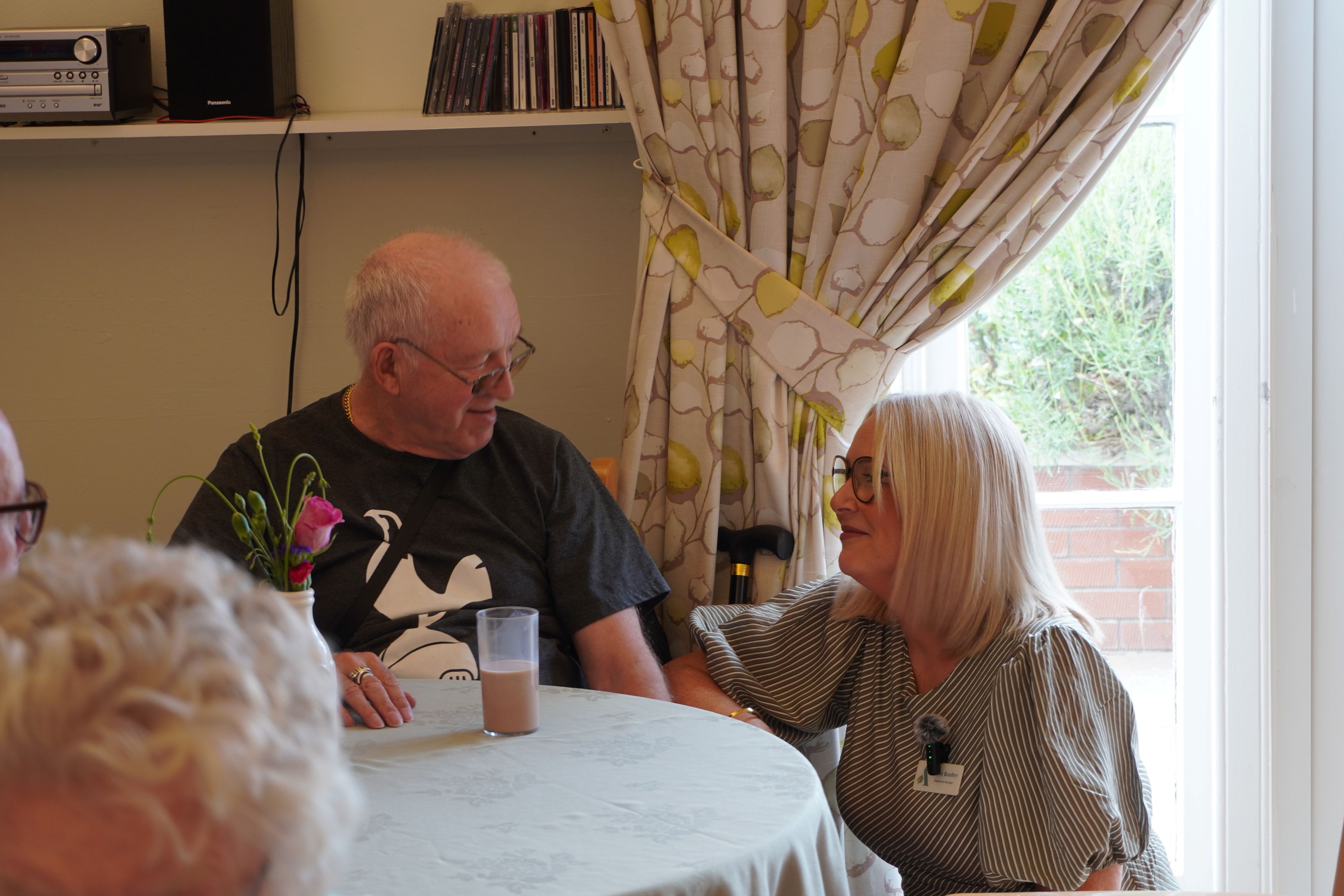
At Ashberry Care Homes, we recognise that social health deserves the same individualised attention we give to nutrition, exercise, and medical care.
Our Approach Includes:
Interest-Based Groups: Bringing together residents with shared hobbies—gardening clubs, book discussions, craft sessions—creates natural bonds.
Family Connection Tools: We use Famileo, a digital tool that allows families to share photos and updates, which are compiled into printed family gazettes for residents. This bridges the gap between visits and maintains family bonds.
Intergenerational Programs: Regular visits from local schools and youth groups create rewarding connections across age groups.
Varied Social Settings: We provide both lively communal spaces and quiet areas for one-to-one conversations, recognising that introverts and extroverts have different social needs.
Communal Dining: Mealtimes serve double duty—supporting nutrition while providing natural opportunities for conversation and connection.
Technology Support: We help residents with video calls, digital photo sharing, and social media to maintain distant relationships, though face-to-face interaction remains primary.
The Holistic Health Picture
The most effective approach to healthy aging integrates all health dimensions:
- Nutrition fuels the body
- Exercise maintains physical function
- Medication manages specific conditions
- Sleep enables recovery and cognitive processing
- Social connection provides purpose, reduces stress, and activates all of the above
At Ashberry Care Homes, we view social wellbeing as equally important to physical and medical care. Our communities are designed to ensure no resident feels alone, and everyone has access to the meaningful connections that support health, cognition, and emotional wellbeing.
To learn more about our approach to social wellbeing alongside comprehensive care, contact Ashberry Care Homes today.



.webp)